
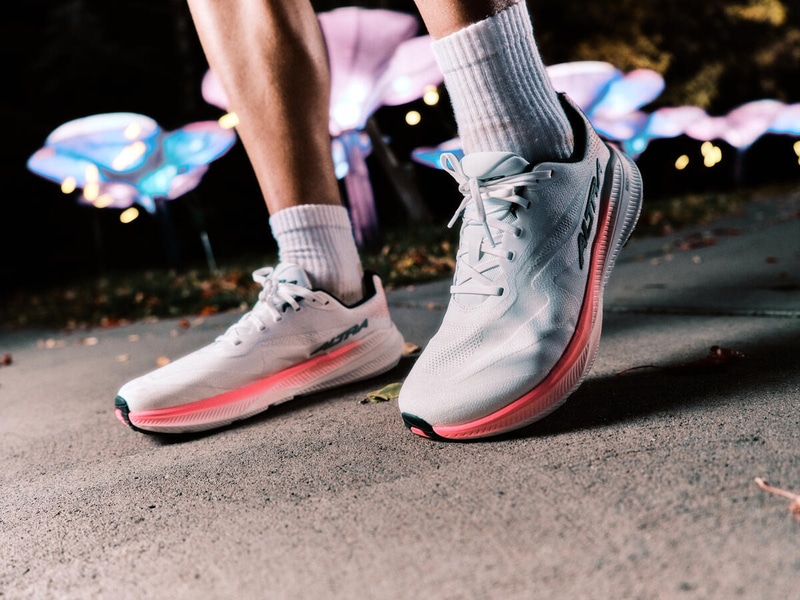
If you spend enough time in a run specialty store, certain brand stories start to feel larger than the shoes themselves. Altra running shoes is one of those stories. Not because it came out of a giant corporate lab. Not because a focus group said the market needed another brand. And definitely not because somebody looked at the footwear industry in 2009 and thought, “You know what this needs? More normal.”
Quite the opposite.
Brian Beckstead, one of the three founders of Altra, helped build the brand on a very different idea. The industry had grown stale. Too many shoes looked the same, fit the same, and solved the same problems in the same way. So instead of following the script, Brian and his partners started asking a better question:
What if running shoes actually looked more like feet?
That may sound obvious now. In 2009, it sounded strange enough to get laughed out of meetings. That is usually a decent sign.
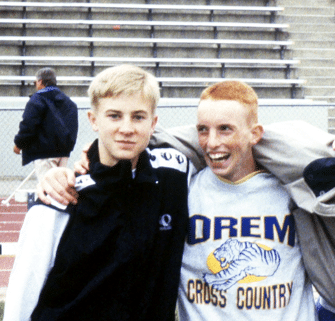
Before Altra, the Industry Needed a Shake-Up
Brian’s perspective on the late 2000s is fascinating because he lived it from inside a run specialty store. Before Altra footwear officially launched, Brian and co-founders Golden Harper and Jeremy Howlett were immersed in the sport at Runner’s Corner in Utah. They were not casual observers. They were shoe nerds in the purest sense of the term. And from their vantage point, the footwear world had gotten a little too comfortable.
Brands were still debating cushioning systems and stability categories, but much of the actual engineering looked remarkably similar. Same general fit. Same general shape. Same general assumptions. Meanwhile, runners were starting to ask different questions about movement, mechanics, and what “natural” might actually mean.
That timing matters.
Around the same period, the minimalist running movement was beginning to build steam. Barefoot drills, foot strength, and more natural movement patterns were starting to enter the conversation. Brian and his co-founders were already thinking along those lines long before it became fashionable. Back in high school, they had done warmups and strides barefoot. At Runner’s Corner, they had become early believers in the importance of foot health and foot strength. They even brought Vibram FiveFingers into their store early on, but notably, they did not position them as true running shoes. They viewed them more as tools for strengthening and preparation.
That distinction matters too.
For Brian, the point was never “everyone should run barefoot.” The point was that healthy feet matter, and shoes should respect that instead of constantly fighting it.
The Toe Box Story Is Even Better Than You’ve Heard
One of the best-known parts of the Altra shoe design story is the brand’s signature FootShape toe box. The shorthand version is simple: Altra wanted a shoe that let toes spread more naturally.
The real version is better.
Brian and his team did not just toss that idea into the air and hope an engineer would magically interpret it. They started tracing feet. Hundreds and hundreds of them. Barefoot. Under load. In the store. Not random feet, either. They specifically wanted to study healthy feet. People who had stayed relatively injury-free. People whose feet seemed to be functioning the way feet are supposed to function. Then they compared those tracings to what existed inside traditional shoes.
The mismatch was hard to ignore.
If your foot naturally spreads at impact to help with balance and shock absorption, why were so many shoes built with shapes that squeezed that process instead of supporting it?
That question became central to Altra running shoe technology.
Eventually, they connected with a last maker named Vlad Chavorin, a fourth-generation craftsman who helped translate the concept into something real. That mattered because plenty of people in the industry did not take the idea seriously at first. Some dismissed it politely. Some were much less polite. But that is how innovation often works. The early version always sounds a little inconvenient to the people who profit from the current version.
The Name “Altra” Means More Than You Might Think
Brian shared a detail that makes the brand feel even more intentional. The name Altra comes from a Latin-based root tied to the idea of altering, changing, or fixing. That is not a bad mission statement for a young footwear company.
They wanted to change an industry. They wanted to fix broken runners.
And, in the earliest days, they were literally altering shoes by hand. Cutting down heels to create a level platform. Reworking lacing to create more room. Experimenting in ways that probably looked a little odd to everyone else and perfectly logical to them. Again, weird. Useful weird.
Starting a Footwear Brand Is Harder Than It Looks
On a scale of one to ten, Brian rated the difficulty of launching a footwear brand at roughly an eleven.
That tracks.
The founders had deep footwear knowledge, but funding was a major challenge. This was the period just after the financial crisis. They believed in what they were doing, but belief does not pay for development, prototypes, or production. Still, they pressed on. What stands out in Brian’s version of the story is not some polished startup mythology. It is that they kept going because they genuinely believed the industry needed this product and were not sure anyone else was going to build it. There is something refreshingly unpolished about that.
Not “we identified a market opportunity.” More “well, nobody else is fixing this, so I guess we should.”

What Altra Got Right About Running Shoes
Brian’s most insightful point may be that Altra found a middle ground that others missed. The minimalist world was right about some things. Traditional footwear was overbuilt in certain ways. Feet benefit from strength, balance, and room to function naturally. Traditional shoes were also right about some things. Not everyone was prepared to run in stripped-down, nearly barefoot models. Many runners still needed cushioning, protection, and comfort.
Altra managed to bridge those ideas. They offered the philosophical upside of more natural foot positioning without forcing everyone into a harsh, fully minimal experience. That combination helped Altra stand out, and it still does.
At Big Peach Running Co. East Cobb, that part of the story resonates. We spend our days helping runners sort through a lot of noise. Some people need more cushion. Some need more structure. Some want a more natural ride. Some just want a shoe that stops bothering them after mile three. The reason Altra shoes continue to matter is that they offer a distinct experience without feeling like a gimmick. The roomy forefoot, the level or lower-drop platform, and the commitment to doing things differently are all still part of the DNA.
What’s Next for Altra?
Brian is not shy about the future. He believes Altra can become one of the top running brands in the industry. That confidence is not coming from nostalgia. It is coming from the idea that awareness still lags behind product quality. In other words, more runners need to try the shoes.
From the floor of a running store, that feels about right.
There are still plenty of runners who have heard the name but have never tried on a pair. There are others who think they already know what Altra is, even though the line has expanded, evolved, and become more versatile over time. Brian also pointed to improvements in materials, design, and product development as areas where the brand is continuing to grow.
In classic Brian fashion, though, he also made room for something just a little less corporate and a little more fun: the hope that one day Altra makes a truly great sandal. Honestly, fair.
Why Brian Beckstead’s & Altra’s Story Matters
There are plenty of founders in the footwear world. Fewer of them helped build a brand by tracing feet in a running store, handing ideas to bigger companies for free, getting rejected, and deciding to build the thing anyway. That is what makes this story so compelling. It is not just a business story. It is a reminder that some of the best ideas in run specialty come from people who are close enough to the runner to notice what is being missed. That is usually where the good stuff starts. Not from trying to sound smart.
From listening closely, staying curious, and being just weird enough to keep going when everyone else thinks you are wrong. And in the case of Altra running shoes, that weirdness worked out pretty well.
FAQs About Brian Beckstead and Altra
Brian Beckstead is one of the three founders of Altra, the innovative running shoe brand known for its roomy toe box and low-to-zero drop philosophy.
Altra running shoes are known for their FootShape toe box, which gives toes more room to spread naturally, and their balanced platform approach, which began with zero-drop shoes and later expanded into some low-drop options.
Altra began after Brian Beckstead, Golden Harper, and Jeremy Howlett spent years studying footwear, foot shape, and running mechanics while working in run specialty retail. After established brands showed little interest in their ideas, they started their own company.
According to Brian, Altra comes from a Latin-based root related to altering, changing, or fixing. That meaning fits the founders’ mission to change the footwear industry and help runners.
Altra footwear helped push the industry toward more natural foot positioning, lower-drop design, and roomier toe boxes. The brand brought those ideas to a broader group of runners without forcing them into fully minimal shoes.
Yes. At Big Peach Running Co. East Cobb, we can help you compare Altra running shoes with other options and determine whether the fit, feel, and geometry make sense for your running or walking needs.