
“If you run, you are already a good runner because you are doing what a runner does.”
Before seventh grade, Alex Garrot arrived at Mount Bethel Christian to set up his locker and found a few friends headed to cross-country practice. They invited him along. He ran two miles, returned the next day and began a relationship with running that has lasted more than a decade.
The early rewards were simple: friends, racing and chocolate milk after meets. Over time, running became Alex’s competitive outlet, productivity tool and way to manage stress. It followed him from East Cobb to the University of Georgia, the South Bronx and back to Atlanta for medical school at Emory. Along the way, a year working at Big Peach Running Co. East Cobb showed him that nearly everyone can find a place for running in their life.
Two Miles, Chocolate Milk and a Reason to Return
Alex describes his younger self as closer to “unnatural” than running prodigy. In seventh grade, he could finish a race sweaty but still reasonably composed while a few teammates were on the ground reconsidering every decision that had brought them there. Going that deep into discomfort seemed like a foreign concept.
Other sports had made appearances without sticking. Running was approachable, his friends were there, and improvement depended mostly on his willingness to return. During those Mt. Bethel years, the team’s big route went from school to Chick-fil-A and back, passing near Big Peach East Cobb. It felt epic. Distance is wonderfully relative when you are 12.
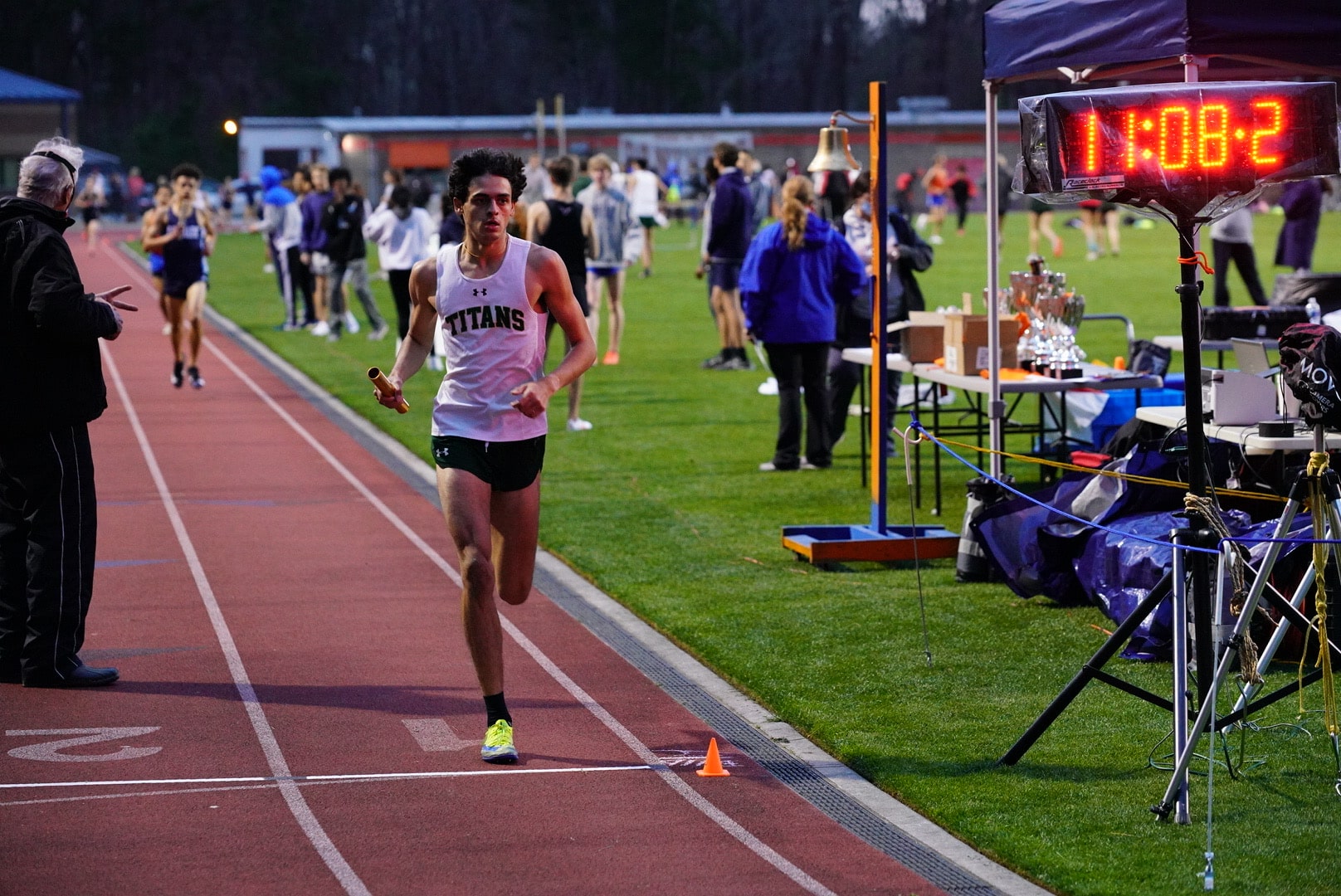
At Blessed Trinity, cross-country strengthened the social connection. Coach Greg Johnson welcomed Alex before his freshman year, and several teammates became some of his closest friends. The running community in East Cobb gave him a place to belong while competition gave him a reason to test himself.
Competition, Physiology and Constant Improvement
By his second or third year of high school, racing had taken hold. Alex loved chasing personal records, contributing to a team and measuring progress one workout at a time. Coach Johnson explained the physiology behind training, including why the team built aerobic fitness early and sharpened speed later.
That combination of science and sport fit Alex well. During his senior year, he joined Big Peach Running Co. East Cobb and worked there for about a year. He met competitive athletes, people regaining fitness, walkers and customers who simply wanted to move through the day more comfortably.
Alex came to see running as continual self-improvement. Customers arrived with different goals, but their main opponent was usually the person in the mirror. He also learned that good specialty retail requires listening, understanding goals and discomfort, watching how someone moves, and using product knowledge to offer thoughtful options. For a future physician, it was a remarkably fitting high school job.
Finding More Time by Spending More Energy
At the University of Georgia, Alex studied cell biology, earned a certificate in immunology and spent three years in an infectious disease laboratory studying malaria. His schedule also included music, leadership through the Catholic student center and the usual complications of college life.
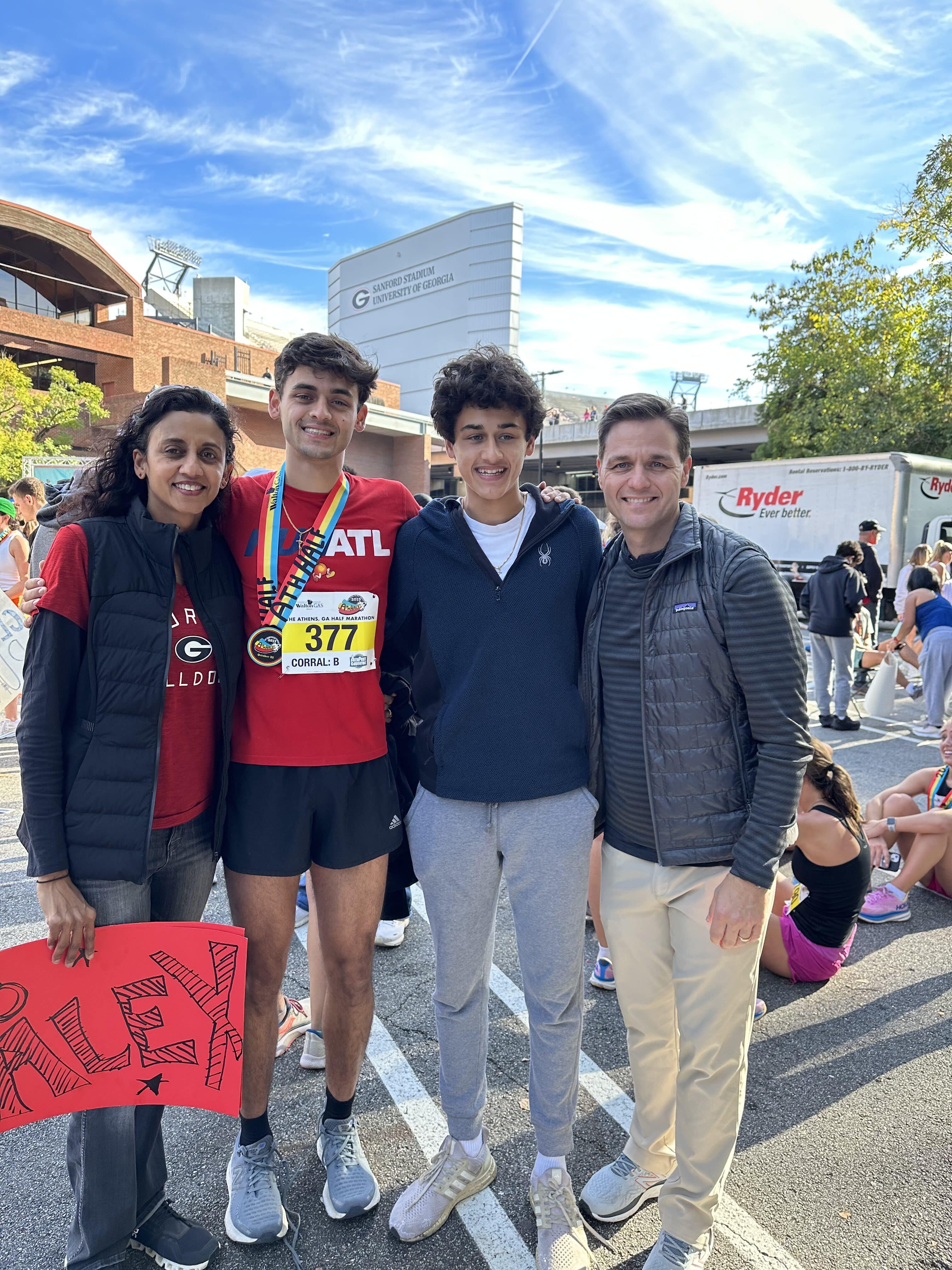
During his sophomore year, exercise slipped away because he believed he lacked time. Before junior year, he registered for the iconic AthHalf and resumed training. He built from roughly 20 miles per week to 30 or 35, and his energy and classroom productivity improved.
Running asked for time, then seemed to give some back by making the rest of his day work better. Alex had discovered running for productivity, a useful benefit when the calendar is already behaving badly.
A Year in the South Bronx
After UGA, Alex considered research, clinical work and, briefly, becoming a fly-fishing guide in Wyoming. The scenery would have been excellent. His mentor had given him a harder assignment: learn to see the struggles of the person in front of him and respond with compassion.
Alex chose Seton Teaching Fellows and moved to the South Bronx for the 2025-2026 school year. After about six weeks of training, the cell biology major stepped into fifth- and seventh-grade classrooms. About 130 children heard his voice each day, and he lived only a few blocks from school.
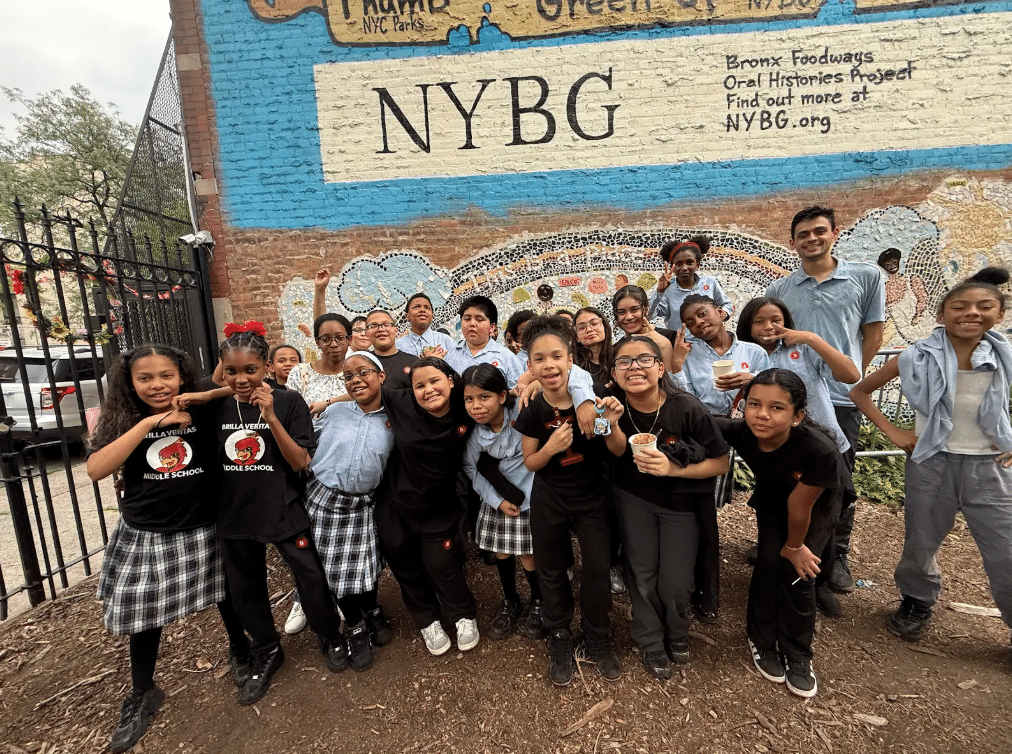
The year was demanding and deeply human. Alex learned that children carry familiar insecurities, find familiar reasons to laugh and need adults who pay attention. After standardized testing, he used a small school budget and donor support to take his 34 homeroom students to a community garden. They ate pizza and ice cream, sprayed one another with a hose, picked flowers and dug through compost for worms. A biology enthusiast could hardly have designed a better party.
Running as a Release Valve
Running helped Alex absorb the pressure. After school, he headed toward a track near Yankee Stadium, Randall’s Island or Central Park. Winter cold, early darkness and safety concerns eventually made those routes harder to use.
Alex asked the nonprofit for a treadmill or stationary bike to support the teachers’ mental and spiritual well-being. A top-of-the-line NordicTrack arrived the next week. The 26 teachers created a sign-up calendar, and the machine accumulated hundreds of miles. Running for stress relief had become a shared household resource.
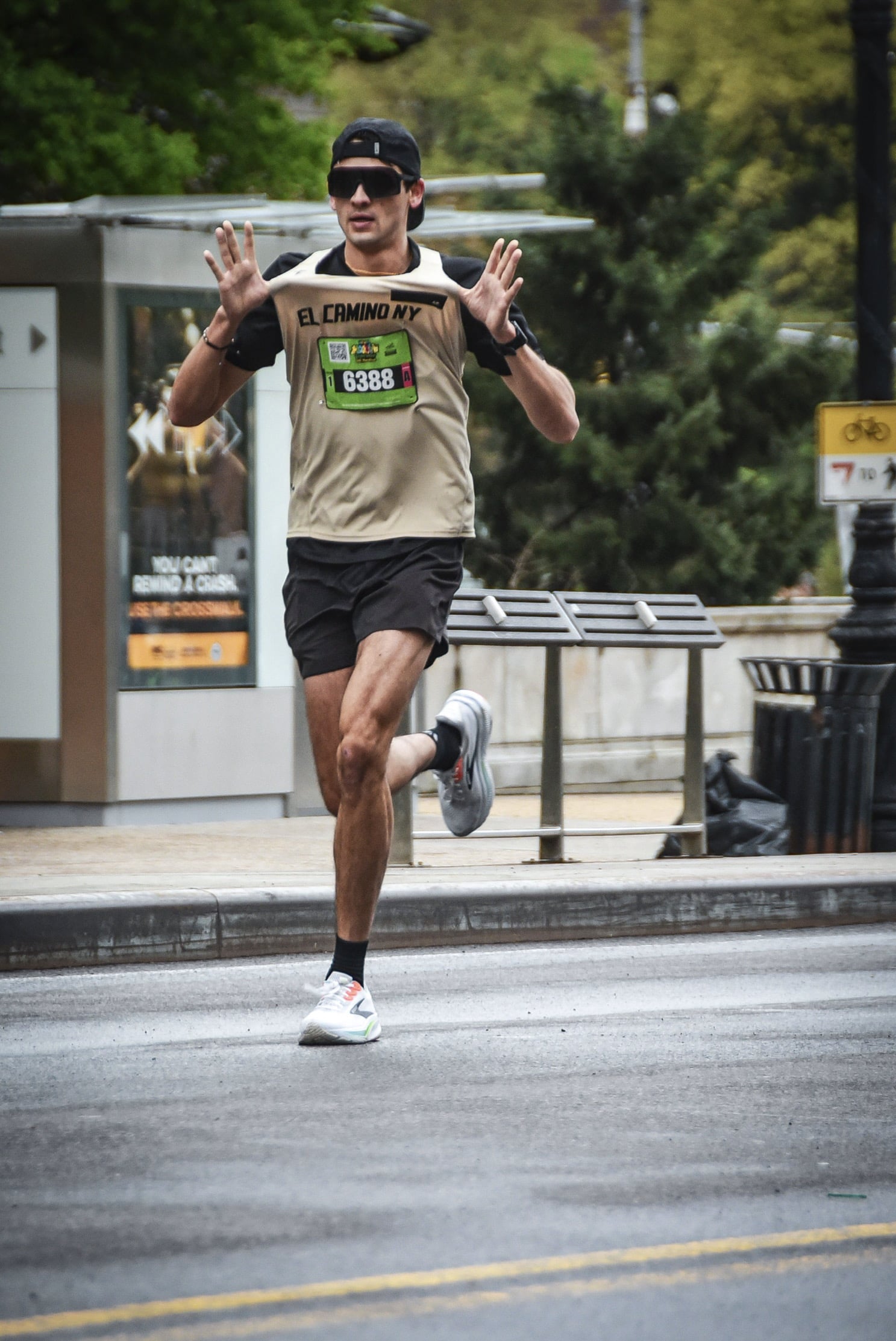
Then Alex registered for the 2026 NYCRUNS Brooklyn Experience Half Marathon, and casual miles became structured training. He squeezed in long runs, workouts and occasional lunch-break miles before putting his shirt and tie back on to teach. Students signed his race singlet, which carried a wonderfully obnoxious message: “You’re losing to a middle school teacher.”
A Good Runner and a Future Doctor
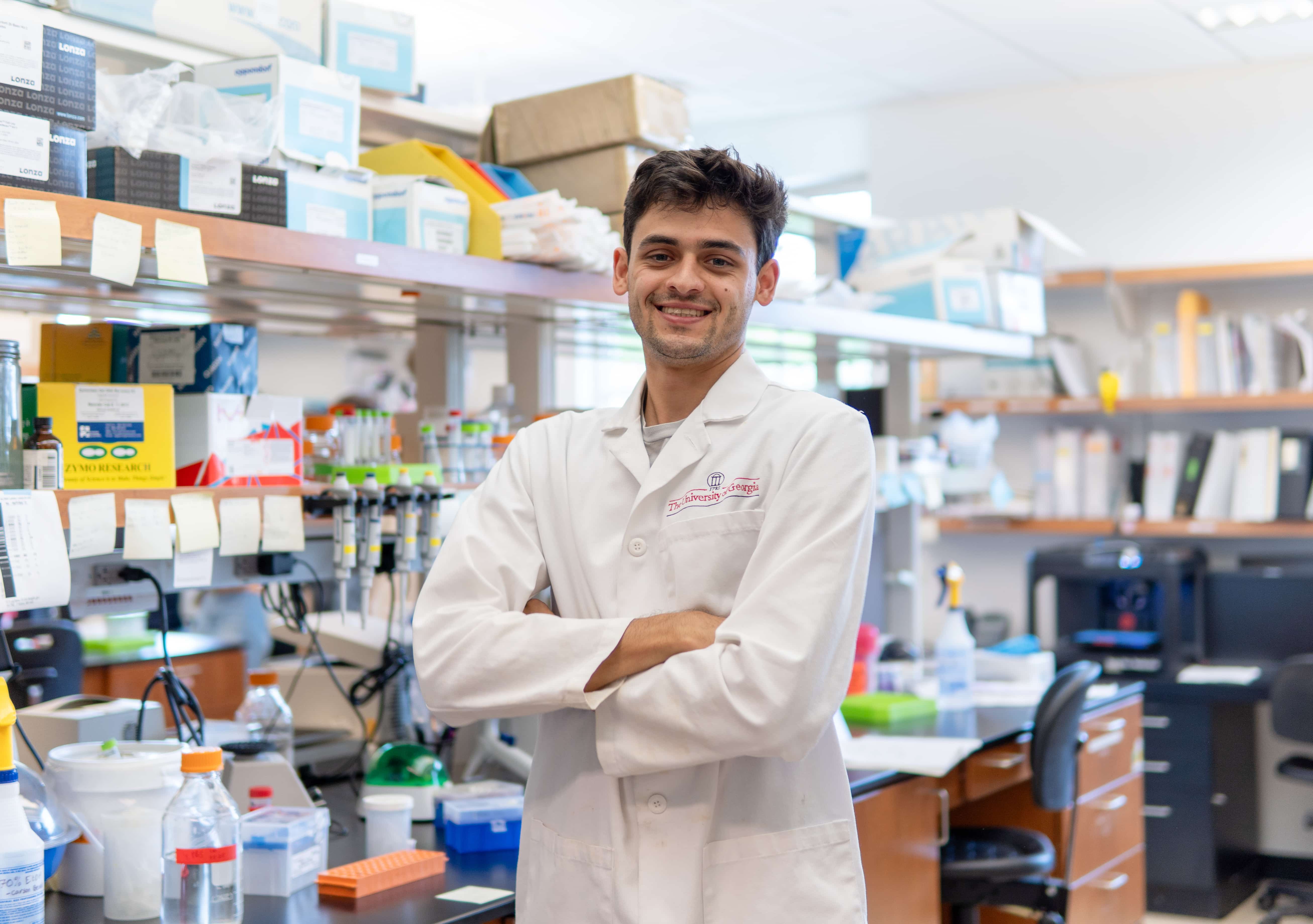
Alex begins medical school at Emory in August 2026. He has not chosen a specialty, but he wants to heal people, offer hope during difficult moments and do the most he can with the abilities he has.
That purpose connects to a lesson he shared with students. A musician becomes a musician by making music. A runner becomes a runner by running. Skill can grow and goals can change, but participation already counts.
“If you run, you are already a good runner because you are doing what a runner does,” Alex said.
His reasons have changed repeatedly. Running began with camaraderie, became competition, improved productivity and later protected his mental health. It will likely serve all four purposes during medical school, perhaps before the first exam.
His footwear has varied much less. Alex has worn the Brooks Ghost for roughly eight to ten years and has been stocking up on Ghost 17s because they work for him. Continual development still benefits from one dependable constant.
Helping You Find Your Own Reason to Move
At Big Peach Running Co. East Cobb, we see the same range of motivations. People visit while training for a race, starting a walking routine, returning after time away, managing a busy season or searching for comfortable walking shoes.
Our Fit Process helps runners, walkers and people seeking everyday comfort compare properly fitted running shoes based on their goals, preferences and the way each option feels on foot. We also offer footwear, apparel and nutrition for training, racing, walking and daily movement. If you are a walker, runner or just looking for a comfortable shoe, bring us the reason that got you moving. We will help you find gear for wherever it takes you next.
FAQs About Alex Garrot and Running in East Cobb
Alex Garrot is a longtime East Cobb runner, former Big Peach East Cobb team member, University of Georgia graduate, former Seton Teaching Fellow in the South Bronx and incoming Emory medical student.
He joined friends at a cross-country practice before seventh grade and ran two miles. The camaraderie, racing and post-meet chocolate milk gave him enough reasons to return.
Yes. Alex worked at the East Cobb store for about a year during his senior year at Blessed Trinity. He credits the experience with showing him how running fits into many different lives and how attentive service can help people find useful footwear options.
At UGA, consistent training improved his energy and productivity. In the South Bronx, running provided stress relief, structure and a way to reset after long days in the classroom.
Alex begins medical school at Emory in August 2026. He has not selected a specialty, but he hopes to become a compassionate physician who helps people heal and find hope during difficult times.
Big Peach Running Co. East Cobb can help runners, walkers and people seeking everyday comfort compare footwear through a personalized Fit Process. The store also carries apparel, socks, hydration and nutrition for training, racing, walking and daily movement.
“If you run, you are already a good runner because you are doing what a runner does.”
— Alex Garrot | Former Big Peach East Cobb Team Member & Incoming Emory Med Student